Journal / Travel
Chasing the northern lights in Scotland: a photographer's field notes
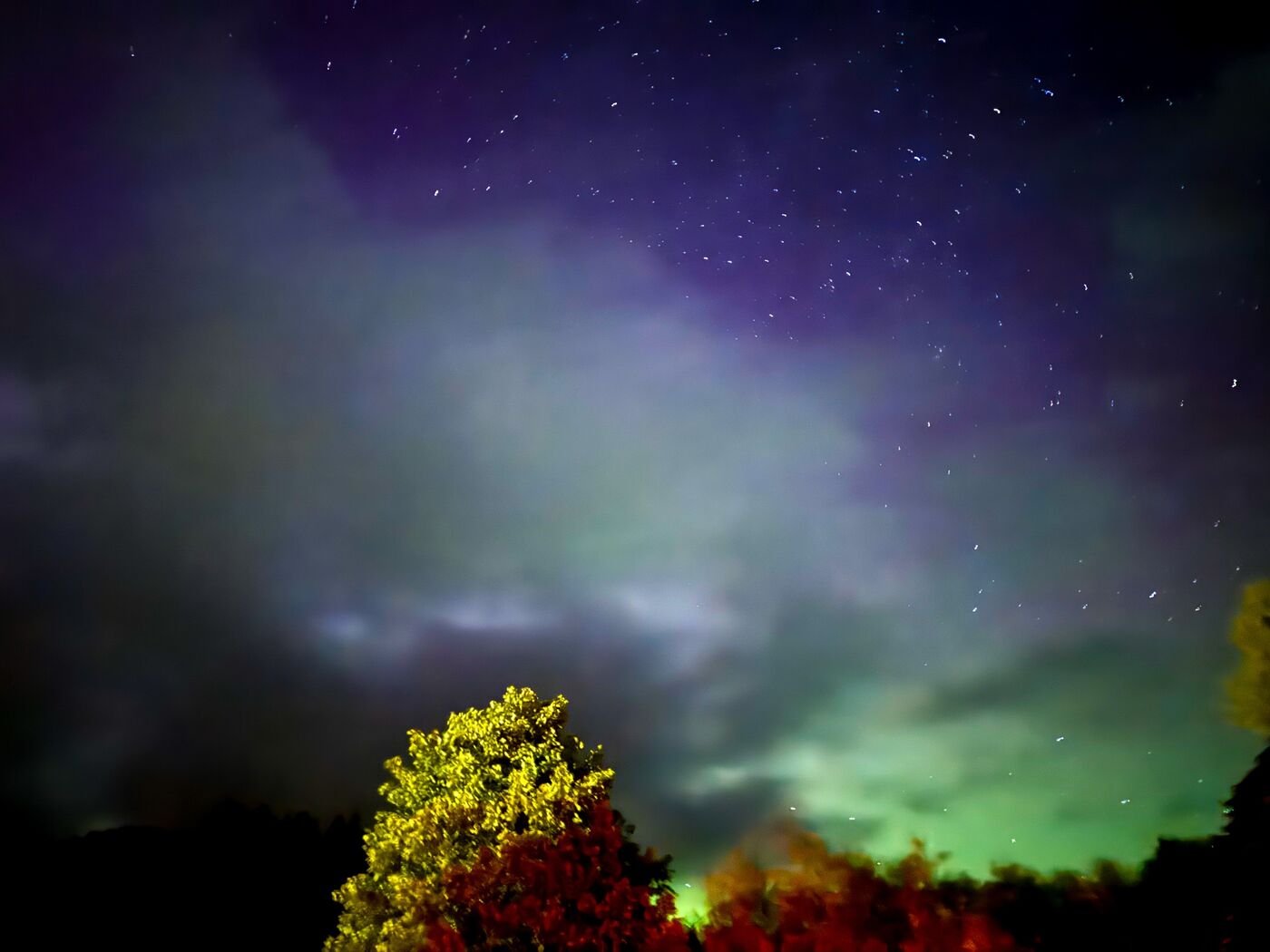
Seeing the aurora over Scotland is one of those moments you never forget, and photographing it well takes a little planning. These are the notes we wish we had on our first night out with Eccentric Routes.
When to go
The darker months, roughly from September to March, give you the long nights you need. Activity comes in bursts, so a clear night with a good forecast matters more than the calendar.
Watch the forecasts
Alerts such as AuroraWatch UK from Lancaster University tell you when activity is rising. Pair that with a cloud forecast. The strongest aurora is useless behind a blanket of cloud.
Find real darkness
Get away from city lights and look north with a clear horizon. Coastlines, lochs and hills facing north work well, and Galloway Forest Park is one of the UK's recognised dark sky parks. Reflections in still water double the drama.
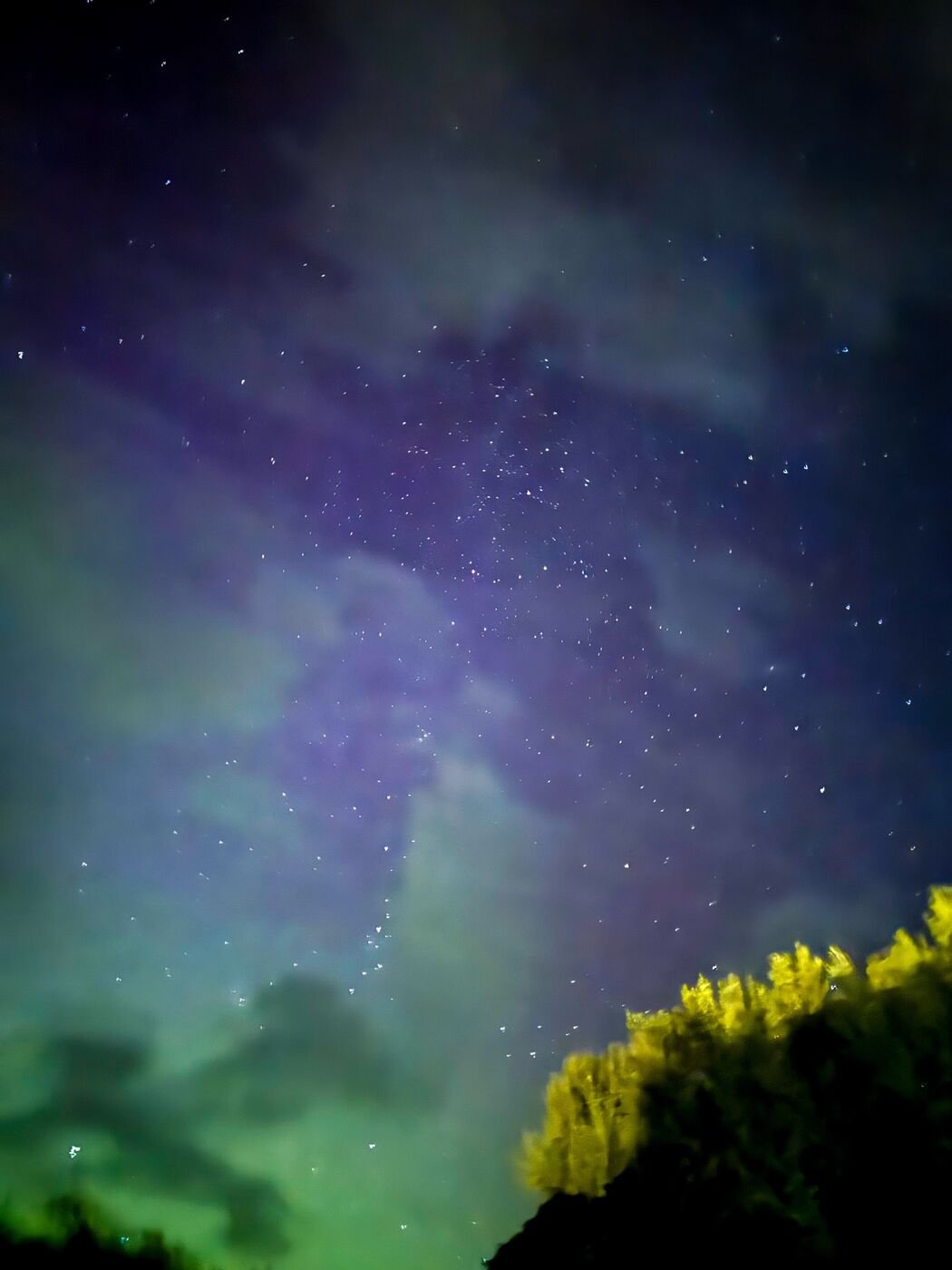
Camera settings to start with
- A sturdy tripod and a remote or timer, so nothing shakes.
- Your widest lens at its widest aperture, around f/2.8 if you have it.
- ISO between 1600 and 3200, then adjust to taste.
- Shutter speeds of 5 to 15 seconds. Shorter keeps the shapes sharp when the aurora is moving fast.
- Manual focus on a bright star or a distant light, then tape the focus ring.
- Shoot RAW so you can balance the colours later.
Compose like a landscape, not a science photo
The sky is the star, but a foreground gives it scale: a bothy, a tree line, a person with a head torch. Leave room above the horizon for the arcs to climb.
Be patient and stay warm
Bring layers, a flask and spare batteries, because cold drains them quickly. Some of the best displays arrive after you have nearly given up.
Follow the journey on Eccentric Routes. Brands that want travel and outdoor content shot with the same care can get in touch.